Often called “the miracle tree,” moringa has earned its reputation as one of nature’s most nutrient-dense superfoods. Moringa delivers an impressive array of vitamins, minerals, antioxidants, and amino acids in a versatile, easy-to-use form. Whether you’re looking to boost your daily nutrition, support your immune system, or add a nutritional punch to your favorite recipes, this remarkable green powder offers benefits that have been valued for centuries across traditional wellness systems.
What Is Organic Moringa Leaf Powder?
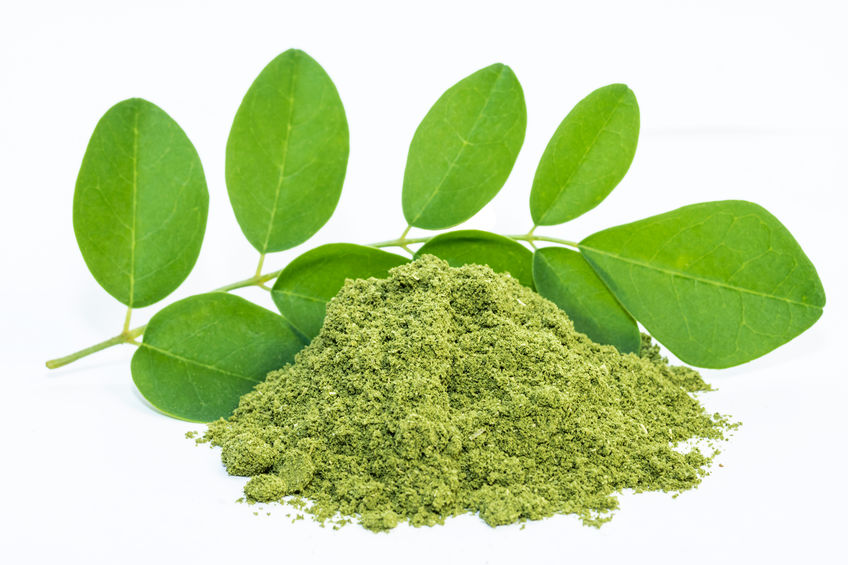
Moringa leaf powder is derived from the leaves of the Moringa oleifera tree, native to parts of Africa and Asia. The leaves are carefully harvested, dried at low temperatures to preserve nutrients, and ground into a fine, vibrant green powder. What makes organic moringa special is the sustainable farming practices used in its cultivation – no synthetic pesticides, herbicides, or genetic modification.
The moringa tree has earned nicknames like “drumstick tree” and “horseradish tree” in various regions, but its most telling moniker is “the tree of life” – a testament to its exceptional nutritional profile and traditional uses in supporting health and vitality.
Impressive Nutritional Profile
Often referred to as “nature’s multivitamin,” moringa leaf powder boasts an exceptional concentration of nutrients that support overall health and wellbeing.

Vitamins
- Vitamin A (beta-carotene)
- Vitamin C
- Vitamin E
- B vitamins (B1, B2, B3, B6)
- Vitamin K

Minerals
- Calcium
- Iron
- Magnesium
- Potassium
- Zinc

Protein & Amino Acids
- Complete protein (all 9 essential amino acids)
- 30% protein by weight
- Ideal for plant-based diets
- Highly bioavailable
- Easy to digest
Fuel Your Body with Nature’s Multivitamin
Add this nutrient-dense superfood to your daily routine and experience the difference that complete, plant-based nutrition can make.
Health Benefits of Organic Moringa Leaf Powder

Powerful Antioxidant Properties
Moringa is rich in antioxidants like quercetin, chlorogenic acid, and beta-carotene. These compounds help combat oxidative stress by neutralizing free radicals that can damage cells and contribute to chronic conditions. Regular consumption may help support cellular health and overall wellbeing.

Anti-inflammatory Support
Studies suggest that moringa contains bioactive compounds with anti-inflammatory properties. These natural plant compounds may help reduce inflammation markers in the body, potentially supporting joint health and overall comfort. The isothiocyanates in moringa are particularly noted for their anti-inflammatory effects.

Blood Sugar Balance
Research indicates that moringa may help support healthy blood sugar levels. The plant compounds in moringa leaf powder may improve insulin sensitivity and glucose uptake, making it a valuable addition to a balanced diet for those concerned with maintaining healthy blood sugar levels.

Heart Health Support
Moringa contains plant compounds that may support cardiovascular health by helping maintain healthy cholesterol levels and blood pressure. Its antioxidant and anti-inflammatory properties may also contribute to overall heart health when consumed as part of a balanced diet.
Moringa is not just a supplement – it’s a whole food that provides comprehensive nutritional support for the body’s natural functions. Its unique combination of nutrients works synergistically to support overall health and vitality.
How to Use Moringa Leaf Powder
One of the greatest advantages of moringa powder is its versatility. Here are some popular ways to incorporate this nutritional powerhouse into your daily routine:

Smoothies & Juices
Add 1 teaspoon to your favorite smoothie or juice for a nutritional boost. The mild earthy flavor pairs well with fruits like banana, mango, and pineapple that can balance its green taste.

Teas & Warm Beverages
Stir ½-1 teaspoon into hot water with lemon and honey for a nourishing tea. You can also add it to golden milk, matcha, or your morning coffee for added nutrition.

Yogurt & Oatmeal
Sprinkle ½ teaspoon over yogurt, oatmeal, or breakfast bowls. Mix well to distribute the flavor and enjoy the nutritional benefits with your morning meal.

Soups & Sauces
Stir into soups, stews, and sauces near the end of cooking to preserve nutrients. Start with ½ teaspoon and adjust to taste. Works particularly well in vegetable and lentil soups.

Baking & Cooking
Add to baked goods like muffins, energy balls, and pancakes. Start with 1-2 teaspoons per recipe and adjust based on your preference for the earthy flavor.

DIY Beauty Applications
Mix with water, honey, or yogurt to create nourishing face masks. Moringa’s antioxidant properties may help support skin health when applied topically.
Recommended Daily Intake: Start with 1 teaspoon (5g) daily and gradually increase to 1-2 tablespoons if desired. New users should begin with smaller amounts to allow the body to adjust to this nutrient-dense food.
Ready to Add Moringa to Your Wellness Routine?
Discover the versatility and benefits of high-quality organic moringa leaf powder.
How to Choose High-Quality Organic Moringa Powder
Not all moringa powders are created equal. Here’s what to look for to ensure you’re getting the highest quality product:

Certification & Sourcing
- USDA Organic Certification: Ensures the product is grown without synthetic pesticides or fertilizers
- Single-Origin: Products sourced from a single location often have better quality control
- Sustainable Harvesting: Look for brands that practice ethical and sustainable farming
- Transparent Supply Chain: Companies that provide information about their sourcing practices

Visual Quality Indicators
- Vibrant Green Color: High-quality moringa powder should have a bright, vibrant green color
- Fine Texture: The powder should be finely ground and consistent
- No Additives: Ingredient list should only contain organic moringa leaf powder
- Proper Packaging: Sealed in opaque, airtight containers to protect from light and moisture
Pro Tip: Look for moringa powder that’s processed at low temperatures. This “raw” processing method helps preserve heat-sensitive nutrients and enzymes, ensuring you get the maximum nutritional benefit from your moringa powder.
Proper Storage & Shelf Life

Storage Guidelines
- Store in a cool, dry place away from direct sunlight
- Keep in the original airtight container or transfer to a sealed glass jar
- Avoid exposure to moisture, which can cause clumping and spoilage
- Refrigeration is not required but can extend freshness in hot, humid climates
- Always use a dry spoon when scooping to prevent introducing moisture

Shelf Life & Freshness
Properly stored moringa leaf powder typically has a shelf life of:
- Unopened: 1-2 years from production date
- Opened: 6-12 months when stored correctly
- Check for changes in color (fading from bright to dull green)
- Note any changes in aroma (fresh moringa has a mild, grassy scent)
- Look for “best by” dates on packaging as a general guideline
Precautions & Considerations
While moringa leaf powder is generally safe for most people, there are some important considerations to keep in mind:
Generally Safe For
- Most healthy adults as part of a balanced diet
- Those looking to supplement their nutritional intake
- People following vegetarian or vegan diets
- Individuals seeking plant-based alternatives to synthetic supplements
Consult Healthcare Provider If
- Pregnant or breastfeeding
- Taking prescription medications (potential interactions)
- Have thyroid disorders (may affect thyroid hormone levels)
- Scheduled for surgery (may affect blood clotting)
- Have known allergies to plants in the Moringaceae family
Can moringa interact with medications?
Yes, moringa may interact with certain medications, particularly those that are substrate of cytochrome P450 (including some diabetes medications, blood thinners, and blood pressure medications). Always consult with your healthcare provider before adding moringa to your regimen if you take prescription medications.
Is there a recommended starting dose?
It’s best to start with a small amount (½-1 teaspoon daily) and gradually increase as your body adjusts. This helps minimize potential digestive adjustment as your body adapts to this nutrient-dense food.
Can children consume moringa powder?
While moringa is nutritious, consult with a pediatrician before giving it to children. If approved, start with very small amounts (¼ teaspoon or less) mixed into foods children already enjoy.
Embrace the Power of Moringa Leaf Powder
Moringa leaf powder stands as one of nature’s most impressive nutritional offerings. With its exceptional vitamin and mineral content, complete amino acid profile, and versatile applications, it’s no wonder this ancient superfood continues to gain popularity in modern wellness routines.
Whether you’re looking to boost your daily nutrition, support specific aspects of your health, or simply explore natural alternatives to synthetic supplements, moringa offers a whole-food approach to wellness that has stood the test of time.
By choosing high-quality, certified organic moringa leaf powder and incorporating it consistently into your routine, you can experience the benefits of this remarkable superfood while supporting sustainable farming practices that benefit both people and planet.
Experience the Benefits of Premium Organic Moringa
Add this nutrient-dense superfood to your wellness routine and discover why it’s been treasured for centuries.
Affiliate Disclosure
The links contained in this article may result in a small commission to us if you opt to purchase the products recommended at no additional cost to you. This goes towards supporting our research and editorial activities so that we can only provide informed advice.
Disclaimer
Please understand that any advice or guidelines revealed in this article are not in any way a substitute for sound medical advice from a licensed healthcare provider. Make sure to consult a healthcare professional before using any of the advice provided here, especially if you use medications or have concerns following the advice shared in this article. Individual results may vary. The products recommended in this article are not intended to diagnose, treat, cure, or prevent any disease.