Surgical removal of the prostate gland is done to treat prostate cancer that hasn’t spread. The main surgery type is radical prostatectomy. In this surgery, the surgeon removes the prostate gland and some nearby tissue, including seminal vesicles, and lymph nodes.
There are different ways to do prostatectomy, like open surgery, laparoscopic surgery, or robotic-assisted surgery. The surgery type affects recovery and side effects. Knowing what happens after prostate removal helps manage expectations and prepare for recovery.
Radical Prostatectomy
Radical prostatectomy refers to the surgical removal of the prostate gland and nearby cancerous tissue. This surgery aims to get rid of cancer cells and stop the disease from spreading. There are two main ways to do this surgery: open radical prostatectomy and laparoscopic radical prostatectomy.
Open Prostatectomy
Open prostatectomy uses a bigger cut, usually 6 to 12 inches long, to reach and remove the prostate gland and nearby tissues. It’s often used if the cancer has spread or the prostate is very large. This method has been used for many years to treat prostate cancer. The surgery takes about four hours, including getting ready and the actual surgery. Patients usually stay in the hospital for a day or two after.
Laparoscopic Prostatectomy
Laparoscopic radical prostatectomy uses smaller cuts, about 3/4 of an inch each, and a tiny camera to see inside. This way, the surgeon can remove the prostate gland and tissues without a big cut. It might lead to less blood loss, a shorter hospital stay, and a faster recovery.
Both open and laparoscopic radical prostatectomies aim to remove the prostate gland and control cancer. The laparoscopic method might offer some benefits for recovery and outcomes after surgery.
Robotic Prostatectomy
Some surgeons use a robotic system to control the instruments during this surgery. Robotic prostatectomy is a cutting-edge surgery that uses robotic technology for precision. It can be done with one small cut or several tiny ones. This leads to a faster recovery for the patient.
Robotic vs. Open Radical Prostatectomy
In the United States, robotic prostatectomy is the top choice for treating prostate cancer. It often leads to less blood loss, less pain, a shorter hospital stay, and a quicker recovery. Yet, the long-term results for cancer control and issues like urinary incontinence and erectile dysfunction are similar for both methods when skilled surgeons perform them.
Robotic-assisted surgery has many benefits for quality of life right after surgery. But, the most important thing is the surgeon’s skill and experience, not the surgery type. Studies prove that both robotic and open radical prostatectomies work well at removing cancer when done by experts.
Today, over 90% of prostate surgeries in America use robots, showing how popular this method is. Yet, a skilled open surgeon can often get better results than a new robotic surgeon. The main thing is the surgical team’s expertise, not the surgery type, for removing prostate cancer.
Prostatectomy Incisions
The type of incision used in prostate removal surgery depends on the surgical method. For an open radical prostatectomy, a single large incision is made in the lower abdomen. This allows the surgeon to access and remove the prostate gland.
Minimally invasive methods like laparoscopic or robotic-assisted prostatectomy use several small incisions. These are in the abdomen for inserting instruments and cameras. The robotic system helps the surgeon work through these small openings with great precision. This can lead to less surgical trauma and quicker recovery for the patient.
The main aim of surgery is to remove the prostate gland fully and control cancer. It also aims to minimize the effect on the patient’s quality of life, no matter the incision type.
Several factors can affect the surgical approach and incision type. These include previous abdominal surgeries, the need for hernia repair mesh, prostate size, and the patient’s weight. Experts who have done many of these surgeries can pick the best treatment for each patient. This ensures the best outcomes.
Risks of Prostatectomy
Prostatectomy is a major surgery that comes with risks. These include reactions to anesthesia, bleeding, blood clots, organ damage, and infections. Risks specific to removing the prostate are urinary incontinence and erectile dysfunction, affecting both open and minimally invasive surgeries.
The risk of prostatectomy depends on the patient’s age, health, the surgeon’s skill, and the surgery type. Studies show that experienced surgeons have lower complication rates.
After prostatectomy, over 90 percent of men regain normal urinary function a few months post-surgery. Yet, 5 to 10 percent might have mild, permanent urinary leaks during activities like coughing or laughing.
Also, about 5 to 10 percent of men might face mild, permanent erectile dysfunction after surgery. Surgeons use techniques like minimally invasive and nerve-sparing methods to lessen prostate cancer surgery complications.
The risks of prostatectomy must be balanced against the benefits of treating prostate cancer. Patients should talk with their healthcare team to make a well-informed choice.

Side Effects of Prostatectomy
While prostatectomy is a life-saving procedure, it comes with side effects. Two main side effects are urinary incontinence and erectile dysfunction.
Urinary Incontinence
Urinary incontinence is a common issue after prostatectomy. It includes stress, overflow, and urge incontinence. The recovery time after prostatectomy varies, but most people start feeling better within a week. Full recovery usually takes a month, and it might take up to a year to fully control your bladder and regain sexual function. With the help of your healthcare team, you can manage the recovery and return to your usual activities.
The risk and severity depend on the surgery type, the patient’s age, and the surgeon’s skills.
Erectile Dysfunction
Sexual function often changes after prostate removal. The surgery can affect nerves that help with erections leading to erectile dysfunction . Many men find they can’t ejaculate, a condition called retrograde ejaculation. But, there are treatments which include medicines, exercises, and implants to help with erectile dysfunction, and sexual function can get better over time.
The chance and extent of erectile dysfunction vary. It depends on the patient’s age, health, and nerve damage during surgery.
Getting medical help quickly and trying different treatments can improve life quality for those with prostatectomy side effects. This includes urinary incontinence and erectile dysfunction after prostate surgery.
Preparation for Prostate Removal Surgery
Before you have prostate removal surgery, your doctor will order some tests. These tests check your prostate and urinary system. You’ll need to talk about your current medicines, especially blood thinners, and stop some drugs before the surgery.
Your doctor will tell you how to prepare, including fasting and bowel prep. You’ll also know what personal items to leave at home. It’s important to make plans for getting home and recovering after surgery. Getting some exercise before surgery can help with healing.
Tests like blood work, urine tests, and imaging scans are part of the pre-surgery checks. An electrocardiogram will also be done to make sure you’re ready. Always talk to your doctor about any changes in your meds or health issues before preparing for prostatectomy surgery. This ensures a safe and successful pre-op tests for prostate removal.
What to Expect During Prostate Removal
Prostatectomy, the surgery to remove the prostate gland, is done under general anesthesia. For an open radical prostatectomy, one big cut is made in the lower belly to get to and take out the prostate. With laparoscopic or robotic-assisted prostatectomy, the surgeon makes small cuts and uses special tools and cameras.
A catheter is put through the penis into the bladder to drain urine during and after surgery. The whole prostate gland and nearby lymph nodes if needed are taken out during the surgery. Radical prostatectomy can take 2-5 hours.
Patients usually stay in the hospital for 1 day after surgery. Expect pain and discomfort for 7-10 days after open surgery and 3-4 days after laparoscopic surgery. It takes about six weeks to fully heal from the surgery.
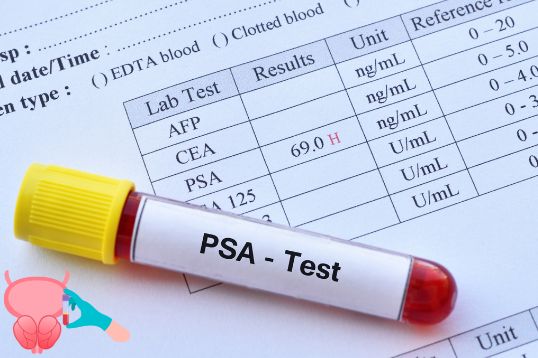
After surgery, you’ll need regular blood tests to check PSA levels for up to several years. This helps watch for any cancer coming back. If you have any emergencies after surgery, get medical help right away.
Removal of prostate gland for Benign Prostatic Hyperplasia
Prostate removal is often done for prostate cancer. But, it can also help men with an enlarged prostate, known as benign prostatic hyperplasia (BPH). In these cases, only the part of the prostate causing blockage is removed. This is called a simple prostatectomy.

This surgery can ease symptoms like trouble starting to urinate, needing to go often, and not fully emptying the bladder. It’s a way to help men with severe BPH.
Removing the prostate for BPH comes with more risks than other treatments. Yet, it can be a good choice for men with very big prostates. BPH affects about 50% of men aged 51 to 60 and up to 90% of men over 80. Surgery is needed for severe cases to help manage the enlarged prostate.
Transurethral resection of the prostate (TURP) is a common surgery for BPH. It’s a minimally invasive procedure. TURP is often used for men with moderate to severe urinary issues that haven’t gotten better with medicine. Some men might need a more thorough surgery, like a simple prostatectomy, if their prostate is very large.
Prostate removal for BPH can help with urinary symptoms. But, it’s crucial to talk with your healthcare provider about the risks and benefits. This way, you can decide what’s best for you.
Robotic Simple Prostatectomy
Robotic-assisted simple prostatectomy is a way to treat severe BPH with surgery. It removes the enlarged prostate gland through small cuts in the lower belly. This method uses a robotic system to help the surgeon.
This surgery has less trauma than traditional methods. It leads to less blood loss, shorter stays in the hospital, and quicker recovery. Skilled robotic surgeons can treat BPH well without harming the patient’s health too much.
The robotic simple prostatectomy is a key surgery for severe prostate issues. It uses the robotic system’s precision to remove the enlarged prostate with less pain. This means better results and a quicker return to normal life for the patient.
Open Simple Prostatectomy Risks
Open simple prostatectomy can help with urinary issues from an enlarged prostate. But, it has more risks than less invasive methods like robotic-assisted surgery. These risks include bleeding, infections, incontinence, dry orgasm, erectile dysfunction, and narrowing of the urethra or bladder neck.
Recovery time is longer with open surgery. That’s why surgeons often choose robotic surgery for BPH patients today. Open simple prostate removal surgery takes 2 to 4 hours. Patients usually stay in the hospital for 2 to 4 days after.
There are other risks with prostate surgery, like blood clots, bleeding, breathing issues, heart problems, infections, and reactions to medicines. There’s also a chance of damage to organs, erection problems, infertility, retrograde ejaculation, incontinence, and urethral stricture. Before surgery, patients may need a full physical exam and more tests to check bladder function.
Before surgery, some medicines may need to be stopped. This includes things like aspirin, ibuprofen, naproxen, vitamin E, clopidogrel, warfarin, and others. Patients should not eat or drink after midnight before the surgery. Quitting smoking before surgery is also recommended for better health outcomes.
Post-Operative Care
After prostate removal surgery, patients get a special care plan to help them recover. They will receive pain medicine through an IV. They are also encouraged to start moving and walking soon, either the same day or the next.
A urinary catheter is placed for 1-2 weeks to help the bladder heal. Most patients go home the day after surgery. They slowly start doing normal activities over 4-6 weeks. Those who had a robotic prostatectomy might recover faster.
It’s important to see the surgeon regularly after surgery. This is to check on healing, manage side effects, and watch for cancer coming back. The surgeon will give clear instructions on what to do and what to avoid for a safe recovery.
Patients will learn how to take care of their wounds and when to change dressings. They’ll know when they can start doing heavy lifting or exercising again. If they’re still in pain or taking certain medicines, they might not be able to drive. The care plan is made just for each patient to help them recover well.
Prostate Removal at Mayo Clinic
If you are looking for a place for prostatectomy surgery, we recommend Mayo clinic. Their urologists are experts in prostatectomy surgery. They have a lot of training and experience. Mayo Clinic does more robotic prostatectomy surgeries than any other place in the world.
This means they have the best skills and a team approach for great results. This helps patients get the best outcomes when they have prostate removal surgery.
Mayo’s surgeons use the latest techniques, like nerve-sparing methods. This helps keep patients’ functions good and treats prostate cancer well. Every year, Mayo Clinic does over 1,300 radical prostatectomy surgeries.
These surgeries are done by urologists with years of experience. Mayo Clinic is known as one of the top hospitals for cancer and urology care. It meets the high standards of the National Cancer Institute.
Patients can get many treatments for prostate cancer at Mayo Clinic. These include active surveillance, radiation therapy, hormone therapy, cryosurgery, chemotherapy, and surgery.
Mayo Clinic has big campuses in Arizona, Florida, and Minnesota. It also has locations in many other states. They work with hundreds of insurance companies and cover millions of patients.
Mayo Clinic is known for making patients very happy with their care. This includes great results for those having prostate cancer treatment, like prostatectomy.
Conclusion
Prostate removal surgery, or prostatectomy, is a common way to treat localized prostate cancer. It can be done through open, laparoscopic, or robotic-assisted methods. The less invasive methods often lead to less blood loss and quicker recovery.
However, all prostatectomy types can cause side effects like urinary issues and problems with erections. These can be managed with the right treatment.
Recovering from prostate removal takes time, but most men feel normal again in 4-6 weeks, with full recovery expected within a year. Surgery for cancer or an enlarged prostate can greatly improve a man’s health and life quality. It’s important to follow up with tests and scans to keep an eye on the condition.
The new techniques in prostate removal and ongoing research make it a trusted treatment for many men. By understanding prostatectomy and its outcomes, patients can make better health choices. They can work closely with their doctors for the best results.

FAQ
What are the different types of prostate removal surgeries?
How is a radical prostatectomy performed?
What are the benefits of robotic prostatectomy compared to open surgery?
What are the potential risks and side effects of prostatectomy?
How long does recovery take after prostate removal surgery?
When is prostate removal surgery recommended for benign prostatic hyperplasia (BPH)?
What sets Mayo Clinic apart for prostate removal surgery?
How should I prepare for prostate removal surgery?
Disclaimer
Please understand that any advice or guidelines revealed in this article are not in any way a substitute for sound medical advice from a licensed healthcare provider. Make sure to consult with a professional physician before using any of the advice provided here, especially if you use medications or have concerns following the advice shared above. No statement in this article is intended to diagnose, treat, cure, or prevent any disease.